
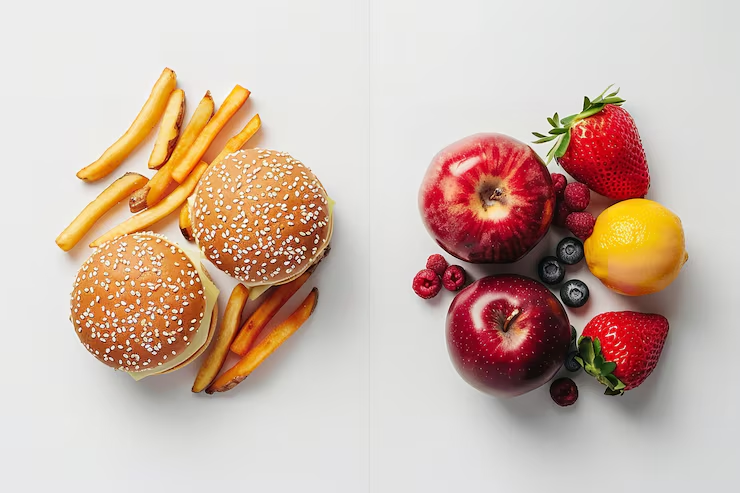
Plant-Based Fast Food: Healthy Innovation or Marketing Hype?
The plant-based revolution has stormed America’s fast food landscape in 2025. From Burger King’s Impossible Whopper to McDonald’s McPlant, vegan options now grace menus nationwide. But as these options proliferate, a critical question emerges: Are they genuine health innovations or clever marketing capitalizing on the wellness movement?
The Nutritional Reality Check: Let’s examine actual numbers:
Burger King Impossible Whopper: 630 calories, 34g fat, 25g protein, 58g carbs
Burger King Regular Whopper: 660 calories, 40g fat, 28g protein, 49g carbs
The plant-based option saves just 30 calories and 6g fat—hardly a health transformation. More concerning: the Impossible Whopper contains 9g more carbohydrates and significantly more sodium (1,240mg vs 980mg).
McDonald’s McPlant Comparison:
McPlant: 430 calories, 22g fat, 22g protein, 38g carbs
Quarter Pounder with Cheese: 520 calories, 26g fat, 30g protein, 42g carbs
Here, the plant-based option shows clearer advantage: 90 fewer calories, 4g less fat. But protein is also 8g lower—important for satiety and muscle maintenance.
The Processing Paradox: Many plant-based fast food items are ultra-processed. The Impossible Burger contains 21 ingredients including methylcellulose (a thickener), food starch, and yeast extract. While free of animal products, these are far from whole foods. The health advantage of plants diminishes when they’re highly processed, loaded with sodium, and served on white buns with standard fast food toppings.
Sodium Surprise: Plant-based fast food often contains more sodium than traditional options. Beyond Meat products average 390mg sodium per serving versus 75mg in lean beef. Restaurant preparations add more salt, making some plant-based options worse for blood pressure than their meat counterparts.
The “Health Halo” Effect: Consumers perceive plant-based as automatically healthier, leading to what nutritionists call “compensatory eating”—ordering fries and soda with the “healthy” burger because you “saved calories.” Research shows people who order plant-based fast food are 30% more likely to add high-calorie sides and drinks.
Our Calorie Comparison Tool reveals these nuances. Comparing plant-based versus traditional options across restaurants shows inconsistent patterns. Sometimes plant-based wins modestly (Taco Bell Black Bean Crunchwrap: 450 calories vs Beef Crunchwrap: 540 calories). Sometimes it loses (KFC Beyond Fried Chicken: 480 calories/2 pieces vs Original Recipe: 390 calories/2 pieces).
When Plant-Based Truly Shines:
Taco Bell’s Power Menu Bowl (with black beans): 470 calories, 24g protein
Chipotle Sofritas Bowl (with veggies): 505 calories, 19g protein
Panera’s Mediterranean Veggie Sandwich: 550 calories, 17g protein
These options focus on whole food plants rather than processed meat analogs.
Environmental vs. Health Benefits: It’s crucial to separate environmental arguments from health claims. Plant-based fast food does typically have lower carbon and water footprints. But environmental benefit doesn’t equal personal health benefit. Consumers should choose based on their actual priorities rather than conflated messaging.
The Allergy Consideration: Many plant-based meats contain common allergens: soy, gluten, and tree nuts. Traditional fast food often has simpler ingredient lists (beef, salt, pepper). For those with food sensitivities, the “healthier” plant option might be riskier.
Practical Guidelines for 2025:
Check Nutrition, Not Just Labels: Use comparison tools to see actual numbers beyond “plant-based” claims.
Watch the Extras: Plant-based doesn’t make fries and soda healthy. Your entire meal matters.
Consider Processing Level: Opt for bean/legume-based options over highly processed meat analogs when possible.
Sodium Awareness: Request less salty preparations or balance with low-sodium meals elsewhere.
Protein Consideration: Ensure you’re getting adequate protein from other sources if choosing lower-protein plant options.
The Marketing Machinery: Fast food chains have invested billions in plant-based lines. Their marketing naturally emphasizes benefits while minimizing drawbacks. As consumers, we must look beyond “plant-based” banners to actual nutrition facts.
The Future Landscape: As we approach 2026, expect:
More whole-food plant options (not just processed analogs)
Clearer nutritional labeling
Price parity becoming more common
Health claims facing stricter regulation
Balanced Perspective: Plant-based fast food represents progress in choice and environmental consciousness. But it’s not a health panacea. Some options offer modest improvements over traditional fast food; others offer little beyond marketing appeal.
The intelligent approach: Use tools like our comparator to make data-driven decisions rather than marketing-driven ones. Compare plant-based and traditional options side-by-side. Consider your entire meal, not just the main item. And remember that the healthiest fast food choice is often the simplest: a salad with protein, a bean-based bowl, or a basic sandwich without excessive sauces.
In America’s evolving fast food landscape, plant-based options are here to stay. The question isn’t whether to try them but how to select wisely among them. With awareness and comparison, you can enjoy innovation without falling for hype.
🇺🇸 USA Food Calorie Comparator
Think before you order! Your health is more important than your taste buds! Eating more 'empty' calories can lead to accumulation of unnecessary fat in your body and invite obesity and many more diseases!. Be aware of the calorific and nutritional values of the foods which you are ordering! Compare calories between popular restaurant items in USA. Make informed choices at McDonald's, Burger King, Wendy's, Taco Bell, Chick-fil-A, Subway and more! Use our simple tool to make comparisons!
Item 1
Protein: g
Carbs: g
Fat: g
Item 2
Protein: g
Carbs: g
Fat: g
🏆 Comparison Result
Tip: Choosing the lower-calorie option regularly can help with weight management.
Try our health calculators
Recent Posts
- Child and Teen BMI Calculator
- BMI Calculator
- BMR calculator
- For Parents: Navigating Kids’ Menus Without the Sugar Rush
- USA Food Calorie Comparator
- The Simple Math of Weight Maintenance: How One Restaurant Swap Can Save Your Waistline
- Eating Out on Keto/Low-Carb: A Survival Guide for Restaurant Lovers
- Health Halo Effect: 5 “Healthy” Salads With More Calories Than a Burger
- Plant-Based Fast Food: Healthy Innovation or Marketing Hype?
- The Psychology of Restaurant Portions: Why We Overeat Without Realizing It
- How to Navigate Restaurant Menus When You Have Diabetes
- The Shocking Calorie Differences in America’s Favorite ‘Comfort Foods’
- Why Counting Calories Still Matters in 2025 (Despite What Influencers Say)
- Fast Food Survival Guide: How to Eat Out Without Derailing Your Diet