I am an enthusiastic blogger. Want to share my thoughts, experiences and learning with the world. Looking at life with an open mind, always eager to learn new things and expect people around me to be equally enthusiastic too.
Marathwada Mukti Sangram
मराठवाडा मुक्ति संग्रामाची देदीप्यमान गाथा
Marathwada Mukti sangram din मराठवाडा मुक्ति संग्राम दिन
पूर्ण भारत जरी १५ ऑगस्ट हा आपला स्वातंत्र्य दिन म्हणून साजरा करीत असला, तरी हैदराबादच्या निजामाच्या राजवटीतील लोकांना मात्र, भारतीय स्वातंत्र्याच्या तब्बल १३ महिन्यांनंतर म्हणजे १७ सप्टेंबर १९४८ रोजी स्वातंत्र्य मिळाले. हैदराबाद संस्थान ब्रिटिश राजवटीच्या अस्ताच्या वेळेपर्यंत टिकून असलेले भारतातील सर्वांत मोठे संस्थान होते. हैद्राबाद संस्थान ची त्यावेळची लोकसंख्या एक कोटी साठ लाख (1कोटी 60 लाख) इतकी होती. सध्याच्या तेलंगणा, मराठवाडा, उत्तर कर्नाटक, विदर्भाचा काही भाग या भारताच्या दक्षिण–मध्य भागात या संस्थानाची व्याप्ती होती.
दर वर्षी १७ सप्टेंबरला मराठवाड्यातील लोक आपण मराठवाडा मुक्तिसंग्राम दिन साजरा करतो. पण यामागचा इतिहास ज्यांना माहित नाही, त्यांच्यासाठी या खास लेखाचा प्रपंच. आणि या स्वातंत्र्य लढ्याचे अग्रणी, स्वामी रामानंद तीर्थ, मराठवाड्यातील इतर असंख्य स्वातंत्र्य सैनिक, आणि या विजयाचे खंबीर शिल्पकार सरदार वल्लभभाई पटेल यांचे पुण्यस्मरण करण्याचा हा एक प्रयत्न.
१९४७ मध्ये बिटिशांनी भारतीय स्वातंत्र्याचा कायदा पास केला. या कायद्यानुसार १५ ऑगस्ट १९४७ रोजी भारत ब्रिटिशांच्या राजकीय वर्चस्वातून मुक्त झाला. म्हणजेच भारताला स्वातंत्र्य मिळाले .वरील कायद्यानुसार देशी राज्ये आणि संस्थानिकांनाही त्यांनी आपले राज्य भारतात की पाकिस्तानात विलीन करावयाचे की, स्वतंत्र राहावयाचे या बाबतीत स्वातंत्र्य दिलेले होते. त्यावेळच्या ५६५ पैकी ५६२ संस्थांनांनी स्वतंत्र भारतात सामाविष्ट होण्याची संमती दर्शविली. मात्र हैदराबाद संस्थान, जम्मू आणि काश्मीर आणि जुनागड संस्थान ही तीन संस्थाने स्वतंत्र भारतात समाविष्ट झाली नव्हती. हैदराबाद राज्याचा सत्ताधीश निजाम मीर उस्मान अली खान याने ११जून १९४७ रोजी आपले राज्य स्वतंत्र राहणार असल्याचे जाहीर केले. त्यामुळे देशी राज्ये व संस्थाने भारतीय संघराज्यात कशी विलीन करून घ्यावयाची हा मोठा प्रश्न भारत सरकारपुढे निमाण झाला.
निजामाने आपले राज्य स्वतंत्र राहणार असल्याचे घोषित केल्यामुळे भारत सरकार आणि हैदराबाद राज्यातील जनतेपुढे मोठा पेच व प्रश्न निर्माण झाला. हैदराबाद राज्याचा सत्ताधीश मुसलमान होता. परंतु राज्यात ८८ टक्के हिंदू, ११ टक्के मुसलमान आणि १ टक्का इतर लोक होते. याशिवाय देशाच्या व दख्खनच्या मध्यभागी असलेले आणि देशात आकाराने दुसऱ्या क्रमांकाचे असलेले हैदराबाद राज्य स्वतंत्र राहणे राज्यातील जनतेच्याच नव्हे तर देशाच्याही हिताचे तसेच हैदराबाद राज्याच्या भारतातील विलीनीकरणाशिवाय भारताच्या स्वातंत्र्याला पूर्ण प्राप्त होणार नव्हते. त्यामुळे राज्यातील जनतेने हैदराबाद राज्याचे भारतीय संघराज्यात विलीनीकरण करण्यासाठी सत्याग्रह व सशस्त्र आंदोलन केले. शेवटी १३ सप्टेंबर १९४८रोजी भारत सरकारने हैदराबाद राज्यावर लष्करी कारवाई करून ते भारतीय संघराज्यात विलीन करून घेतले. हैदराबाद राज्याच्या विलीनीकरणासाठी जनतेने जे सत्याग्रह व सशस्त्र आंदोलन केले, हेच आंदोलन भारतीय इतिहासात ‘हैदराबादचा स्वातंत्र्य -संग्राम ‘ या नावाने ओळखले जाते.
निजामशाहीचा इतिहास
दिल्लीचा मुघल सम्राट औरंगजेब इ. स. १६५८ ते १७०७ पर्यन्त होता. १७०७ ला औरंगजेब याचा मृत्यू झाला. त्याकाळी, दिल्लीचे मुघल सम्राट, हिंदुस्थानच्या विविध भागात आपले सुभेदार नेमीत. त्यात निजाम उल मुल्क याला दख्खनचा सुभेदार म्हणून नेमले होते.
औरंगजेबाच्या मृत्यूनंतर,दिल्लीचे तख्त कमजोर झाले, त्याचा फायदा घेऊन, निजाम उल मुल्क याने आपले स्वतंत्र राज्य (हैद्राबाद संस्थान) उभारले. निजाम-उल-मुल्क नंतर त्याचा मुलगा निजाम अली हा हैद्राबाद संस्थानचा राजा झाला. त्याने स्वत:ला निजाम अशी पदवी धारण केली.म्हणून नंतरच्या सर्व राजांना निजाम असे संबोधण्यात येते. निजाम-उल-मुल्कला मोगल सम्राटाकडून ‘आसफ जहा’ असा किताब मिळाला होता. म्हणून या घराण्याचा उल्लेख आसफ जाह घराणे असाही करण्यात येतो.
निजामशाहीने सुरुवातीपासूनच बलदंड सत्ते बरोबर दोस्ती करून वा नमते घेऊन आपले राज्य केल्याचे दिसून येते. 18 व्या शतकाच्या पूर्वार्धात भारतात ब्रिटिशांचा दबदबा वाढायला लागला होता. हे हेरूनच निजाम अली यांनी ईस्ट इंडिया कंपनी यांच्या बरोबर 12 आक्टोबर 1800 मध्ये तैनाती फौजेचा करार केला.या कराराद्वारे संरक्षणासाठी इंग्रजांची फौज सिकंदराबादला कायम झाली. या कारणामुळे निजामाने हिंदुस्तानातील कोणत्याही राजाबरोबर कसलाही संबध ठेवणार नाही, हे मान्य केले.
इंग्रजांना फौजेच्या खर्चासाठी कडाप्पा, कर्नुल, अनंतपुर व बेल्लारी हे जिल्हे निजामाने ईस्ट इंडिया कंपनीला दिले. या करारामुळे परकीय आक्रमणापासून व अंतर्गत बंडखोरापासून पूर्ण रक्षण करण्याची जबाबदारी कंपनीने स्वत:वर घेतली.या करारापासुन हैद्राबादच्या निजामाचे स्वातंत्र्य नष्ट झाले. निजामअली नंतर (सन 1763 ते 1803) निजाम सिकंदरशहा (सन 1803 ते 1829), नासिरदौला (सन 1829 ते 1857), अफजूदौला (सन 1857 ते 1869), महेबुब अली खान (सन 1869 ते 1911) यांनी राज्य केले. सातवा व शेवटचा निजाम मीर उस्मान अली खान 29 ऑगस्ट 1911 रोजी सत्तेवर आला. पहिल्या महायुध्दात निजामाने इंग्रजांना पैसा, सैन्य, वस्तू यांची भरपूर मदत केली. युध्दातील मदतीचे बक्षीस म्हणून ब्रिटीश सम्राट पाचवा जॉर्ज ह्याने निजामाला ‘हिज एक्झाल्टेड हायनेसस’ असा किताब दिला.. हैद्राबाद राज्यात राजभाषा फारशी होती.
मराठवाडा हे नाव कसे पडले
सम्राट अशोकाच्या 16 महाजनपदा पैकी दोन महाजनपदे एक अश्मक आणि दुसरे मूलक हे गोदावरीच्या खोऱ्यात नांदणारी.. या दोन्ही महाजनपदात बहुतांश लोकं महाराष्ट्री प्राकृत बोलणारी.. पुढे अनेकांनी या प्रदेशावर आपली हुकूमत गाजवली आणि 1724 मध्ये दिल्लीचा सुभेदार निजाम उल मुल्क या निजामशहाने हैद्राबाद मध्ये निजामशाही स्थापन केली. यात तीन भाषा बोलणारे प्रदेश होते.. एक तेलगू ( आंध्र ), कन्नड ( कर्नाटक ) आणि मराठी ( मराठवाडा ).. यात लातूर म्हणजे पूर्वाश्रमीचा उस्मानाबाद जिल्हा मराठी बोलणाऱ्या लोकांचा शेवटचा भाग.. म्हणजे निजामाच्या काळात भाषे प्रमाणे प्रदेशाची नावे झाली आणि मराठी बोलणाऱ्या लोकांचा मराठवाडा हे नाव कायम झाले.
या काळात संपूर्ण महाराष्ट्रात ब्रिटिश अंमल होता मात्र मराठी भाषिक प्रदेश असलेल्या मराठवाड्यात निजामशाही होती.
निजाम मीर उस्मान अली खूप महत्वाकांक्षी होता. स्वतंत्र इस्लामी राज्य स्थापन करण्याचे त्याचे स्वप्न होते.
*सांस्कृतिक आणि साहित्यिक चळवळीचा उदय*
स्वातंत्र्याच्या चळवळी इतर भागात आकार घेत होत्या. त्यामुळे मराठवाड्यातही सामाजिक आणि सांस्कृतिक चळवळीच्या माध्यमातून लोकं जागृती मूळ धरत होती. लातूर मध्ये पुण्यावरून येऊन लोकमान्य टिळकांनी इ.स.1891 पहिली जिनिंग प्रेस काढली.त्यातून राजकीय जागृतीचं पाऊल मराठवाड्यात पडलं.. या निमित्ताने लोकमान्य टिळक यांनी हिंगोली, परभणीस भेट दिली होती.
1901 परभणीत गणेश वाचनालय सुरु झाले ते मराठवाड्यातील सर्वात पहिले वाचनालय होते. त्यानंतर हिंगोली, कळमनुरी, औंढा, औसा, सेलू, मानवत, नळदुर्ग, तुळजापूर, चाकूर, लोहारा येथेही वाचनालय सुरु झाली. 1 ऑगस्ट 1920 रोजी औरंगाबाद येथे बलवंत वाचनालय स्थापन झाले. आ.कृ.वाघमारे हे या वाचनालयाचे प्रवर्तक होते.
खाजगी शाळा या राष्ट्रीय भूमिकेतून कार्य करु लागल्या. सरकारचे धोरण खाजगी शाळांबाबत फारसे अनुकूल नव्हते तरीही इ.स. 1935 च्या सुमारास 20 खाजगी शाळा राष्ट्रीय भावनेतून सुरु झाल्या. त्यात परभणीचे नूतन विद्यालय, औरंगाबादचे सरस्वती भुवन विद्यालय, शारदा मंदिर हिप्परगा येथील राष्ट्रीय विद्यालय, श्रीकृष्ण विद्यालय गुंजोटी, योगेश्वरी विद्यालय, अंबाजोगाई, श्यामलाल विद्यालय,उदगीर, ज्युबिली विद्यालय, लातूर, नूतन विद्यालय, सेलू, राजस्थान विद्यालय, लातूर, भारत विद्यालय,उमरगा, चंपावती विद्यालय, बीड, नुतन विद्यालय, उमरी, प्रतिभा निकेतन, नांदेड, मराठा हायस्कूल,औरंगाबाद असा क्रम लागतो.
यामागे स्वामी रामानंद तीर्थ व बाबासाहेब परांजपे यांची प्रेरणा होती. वरील शिक्षण संस्थांनी मराठवाड्यात राष्ट्रीय जागृतीचे कार्य केले. शारदा मंदिर शाळेमुळे मुलींच्या शिक्षणाला चालना मिळाली. तर मराठा शिक्षण संस्थेने बहुजनांसाठी शिक्षणाची व्दारे खुली केली.
साहित्य विषयक चळवळी सुरु झाल्या. उर्दू भाषा शैक्षणिक व्यवस्थेतून राजभाषा बनली. त्यामुळे संस्थांनातील अन्य भाषा साहित्य व संस्कृतीची गळचेपी होत गेली. या सांस्कृतिक संघर्षामुळेच साहित्य संस्थांचा जन्म झाला.
साहित्य संस्थांनी राष्ट्रीय वृती जोपासली. इ.स. 1914 -15 मध्ये हैद्राबादेत दक्षिण साहित्य संघ स्थापन झाला. या कामात केशवराव कोरटकर व वामनराव नाईक यांनी पुढाकार घेतला. या साहित्य संघात अनेक मराठी तरुणांनी सहभाग घेतला. प्रारंभीच्या काळात विदर्भ साहित्य संघांशी ही शाखा संलग्न करण्यात आली. इ.स. 1931 मध्ये हैद्राबादेत महाराष्ट्र साहित्य संमेलन घेण्यात आले. डॉ. श्रीधर व्यंकटेश केतकर हे अध्यक्ष होते. आ.कृ. वाघमारे यांनी संजीवनी साप्ताहिकात मराठी भाषेच्या विकासाबद्दल चिंता व्यक्त केली होती. लक्ष्मणराव फाटक यांनी इ.स. 1920 मध्ये ‘निजाम विजय’ हैद्राबादहून सुरु केले. आ.कृ. वाघमारे यांनी दिनांक 10 फेब्रुवारी 1937 रोजी मराठवाडा साप्ताहिकाची स्थापना केली. इ.स. 1937 मध्ये निजाम प्रांतीय मराठी साहित्य परिषद स्थापन झाली. तिचे पहिले अधिवेशन 1, 2 व 3 ऑक्टोबर, 1937 रोजी दादासाहेब खापर्डे यांच्या अध्यक्षतेखाली हैद्राबाद येथे झाले. दुसरे अधिवेशन नांदेड येथे दिनांक 28 ते 30 सप्टेंबर, 1943 मध्ये दत्तो वामन पोतदार यांच्या अध्यक्षतेखाली झाले. इ.स. 1944 मध्ये तिसरे अधिवेशन औरंगाबाद येथे ग.त्र्यं. माडखोलकर यांच्या अध्यक्षतेखाली संपन्न झाले. यामुळे मराठवाड्यात सांस्कृतिक आणि साहित्यिक चळवळी मूळ धरू लागल्या त्यातून अप्रत्यक्ष स्वातंत्र्याच्या चळवळीचे बीजे पेरली जाऊ लागली.
निजाम मीर उस्मान अली याने हिंदू धर्मियांवर अनन्वित अत्याचार सुरू केले होते. निजामाचा सेनापती कासीम रझवी याने मजलिस-ए-इत्तेहादुल मुस्लिमीन (लघुरूप एम आय एम) या संघटनेच्या माध्यमातून रझाकार नावाने मुस्लिम स्वयंसेवकांची भरती केली आणि त्यांच्या साह्याने जनतेवर अमर्याद अत्त्याचार चालू केले. अशा या निजामाच्या राज्यातून मुक्त होऊन भारतीय संघराज्यात समाविष्ट होण्यासाठी स्वामी रामानंद तीर्थ यांच्या नेतृत्वाखाली संपूर्ण हैदराबाद संस्थानात मुक्ती संग्राम चालू झाला.
मुक्ति संग्राम सुरू झाल्यावर मराठवाडयाच्या गावागावात हा संग्राम लढला गेला. यात जिवाची पर्वा न करता अनेक स्वातंत्र्यवीर पुढे आले.
मराठवाडयात निजामांच्या पंतप्रधानास इकडे येण्यापासून रोकण्यासाठी पूल उडवून देणारे काशीनाथराव कुलकर्णी, मुक्ति संग्राम लढ्यातील स्वयंसेवकांना शस्त्र बनवून पुरवणारे उस्मानाबाद जिल्ह्यातील भूम चे गणपतराव क्षीरसागर सुतार ,मराठवाडयाची राणी लक्ष्मीबाई म्हणून विख्यात झालेल्या बदनापूर तालुक्यातील धोपटेश्वर गावच्या दगडाबाई शेळके, रोहिल्यांना जेरीस आणणारे बीडचे विठ्ठलराव काटकर, बर्दापूर पोलीस ठाणे उडवून देणारे लातूरचे हरिश्चंद्गजी जाधव,लातूर येथेल बोरी या ठिकाणाहून निजामाचा बराच कारभार चालायचा. भारतीय सैनिकांनी मराठवाड्यावर धावा बोलताच धोंडिबा शंकर सिरसाट यांनी आजूबाजूच्या निजामांच्या ठाण्यावर हल्ला चढवला व निजामी सैन्याना हद्दपार केले. उस्मानाबाद जिल्हयातील होटी गावचे जनार्दन होर्टीकर गुरुजी तसेच परभणीत रझाकारांना हुसकावून लावणारे सूर्यभान पवार, विनायकराव चारठाणकर, विश्र्वनाथराव कातनेश्र्वरकर, पालम तालुक्यातील गुळखंड गावचे सुपुत्र मारोतराव पौळ , पाथरी येथील देवरावजी नामदेवराव कांबळे, नांदेड येथील देवरावजी कवळे, जीवनराव बोधनकर आदींच्या रूपाने मराठवाड्याच्या कानाकोपऱ्यात स्वातंत्र्य संग्राम तेजस्वीपणे लढला गेला.
या मुक्ति संग्रामात श्रीधर वर्तक, जानकीलालजी राठी, शंकरराव जाधव, जालन्याचे जनार्दन मामा, किशनसिंग राजपूत,गोविंदराव पानसरे, बहिर्जी बापटीकर, राजाभाऊ वाकड, विश्र्वनाथ भिसे,जयंतराव पाटील आदिंसारख्यांनी आपल्या जिवाची पर्वा न बाळगता काम केले. यासीन जूबेर हैद्राबादी मंत्री याच्या नेतृत्वाखालील निजामाच्या सैन्याला औरंगाबाद जिल्ह्यातील वैजापूर तालूक्यातील जातेगाव माळावर पुढे सरकु दिले नाही. यामध्ये मानसिंग राजपुत, लक्ष्मण आवचार, रामलाल राजपूत, व रामचंद्र धंदेवार हे आघाडीवर होते यामध्ये रामचंद्र धंदेवार यांना बाळगिर मठ सरला येथे बंदुकीच्या गोळीने वेध घेतल्याने हुतात्मा झाले त्यावेळी गोदावरी दुथडी भरून वाहत होती. रामचंद्र यांना क्षीरसागर नावाच्या मर्दाने आपल्या पाठीवरून पैलतीरी आणून भर पावसात खड्डा केला आणि त्यांचा अंत्यविधी केला.
*वंदे-मातरम् विद्यार्थी चळवळ :*
हैद्राबाद संस्थांनात शिक्षण संस्थांमध्ये वंदे्मातरम् गीत म्हणण्यास बंदी होती. मुक्ती लढ्याचे पडसाद विद्यार्थ्यांच्या मनावर उमटू नयेत, म्हणून निजाम सरकार प्रयत्नशील होते. इ.स. 1938 हे वर्ष प्रतिकाराचे वर्ष होते. विद्यार्थी वर्गाच्या मनात असंतोष खदखदत होता. उस्मानिया विद्यापीठात वरंगल, गुलबर्गा व औरंगाबाद येथे इंटरमिजिएट कॉलेजेस होती. औरंगाबाद कॉलेजमध्ये विद्यार्थी बैचेन होते. गोविंदभाई श्रॉफ विद्यार्थ्यांना चिथावणी देतात म्हणून त्यांना नोकरीतून काढण्यात आले. 14 नोव्हेंबर, 1938 रोजी विद्यार्थ्यांनी वसतिगृहामध्ये ‘वंदेमातरम्’ म्हणण्यास प्रारंभ केला. त्यावर सरकारने बंदी आणली. कोणत्याही परिस्थितीत विद्यार्थी ऐकायला तयार नव्हते. 16 नोव्हेंबर, 1938 रोजी विद्यार्थ्यांनी अन्नत्याग सत्याग्रह केला. 18 नोव्हेंबर, 1938 रोजी विद्यार्थ्यांची या प्रश्नावर रितसर बैठक झाली आणि 30 नोव्हेंबर, 1938 रोजी विद्यार्थ्यांनी संप पुकारला. या घटनेचे पडसाद हैदराबादमध्येही उमटले. विद्यार्थ्यांना गणवेशाची सक्ती करण्यात आली. त्यास देखील विद्यार्थ्यांनी प्रखर विरोध केला. शेवटी वंदे्मातरम् प्रश्नावर बेमुदत संप पुकारला. एकूण 1 हजार 200 विद्यार्थी संपावर गेले. केवळ औरंगाबाद शहरात 300 विद्यार्थी वंदेमातरम् चळवळीत उतरले होते. वंदे्मातरम् आंदोलनात सहभागी झालेल्या अनेक विद्यार्थ्यांना कॉलेजमधून काढून टाकण्यात आले. विद्यार्थ्यांचे शिक्षण खंडीत झाले. नागपूर विद्यापीठाचे कुलगुरू टी. जे. केदार यांनी उदार अंत:करणाने उस्मानिया विद्यापीठातील काढून टाकलेल्या विद्यार्थ्यांना प्रवेश दिला. मराठवाड्यातील शालेय विद्यार्थ्यांची येवला, खामगाव व अहमदनगर येथे सोय करण्यात आली. त्रिपुरा कांग्रेस अधिवेशनात वंदेमातरम् चळवळीस पाठिंबा देण्यात आला. नेताजी सुभाषचंद्र बोस व पं. जवाहरलाल नेहरू यांनी तरुणांच्या या उठावाला पाठिंबा दिला होता.
विद्यार्थ्यांनी दिलेल्या या अभूतपूर्व लढ्यामुळे हैदराबाद संस्थांनात पुढे जी आंदोलने झाली, त्यासाठी राजकीय कार्यकर्ते व नेते वंदेमातरम् चळवळीतून मोठ्या प्रमाणात मिळाले. वंदेमातरम् चळवळीने विद्यार्थी विश्वात फार मोठी जागृती घडवून आणली. 1938 ते 1948 पर्यंतचा काळ हा मुक्ती संग्रामाचा कालखंड म्हणून ओळखला जातो. या काळात सर्व आघाड्यांवर बहुतेक वंदेमातरम् चळवळीतील तरुण कार्यकर्ते होते. हैदराबाद स्वातंत्र्य संग्रामात आणि मराठवाडा मुक्ती संग्रामात विद्यार्थी व युवाशक्तीने वंदेमातरम् चळवळीच्या माध्यमातून जे अभूतपूर्व चैतन्य दाखवले , ते प्रशंसनीयच मानले पाहिजे…!!
*आर्य समाजाचे कार्य*
संस्थानात आर्य समाजाने अखिल भारतीय स्वरूपाचा लढा दिला. हैदराबाद संस्थांनातील हिंदू प्रजेवरील अन्यायाकडे लक्ष वेधण्यात आर्य समाज सफल ठरला. आर्य समाजाने 24 ऑक्टोबर, 1938 पासून पुढे जवळपास दहा महिने सत्याग्रहाचा लढा चालवला. हिंदू संघटन करणाऱ्या आर्य समाजावर निजामाचा रोष होता. त्यामुळे संस्थांनात व मराठवाड्यात आर्य समाजाच्या शाखा वाढल्या. आर्य समाजाला जात, पात भेद व स्त्री – पुरुष भेद मान्य नव्हता, म्हणून त्यांनी अनेक अस्पृश्यांना वैदिक धर्मात समाविष्ट करून घेतले. संस्थानात 1941 पर्यंत आर्य समाजाच्या 241 शाखा कार्यरत होत्या. आर्य समाजाचे 12 हजार पेक्षा अधिक सत्याग्रही तुरुंगात गेले. संस्थानात एकूण 40 हजार एवढे आर्य समाजाचे अनुयायी असल्याचे दिसून येते. तेलंगण, कर्नाटक विभागाच्या तुलनेत मराठवाडा विभागात आर्य समाज अधिक प्रभावी होता. आर्य समाजाने सक्तीच्या धर्मांतरास विरोध केला. आर्य प्रतिनिधी सभेने शिष्टमंडळ पाठवून संस्थांनातील परिस्थितीची पाहणी करण्यात यश मिळवले. मराठवाड्यात धारूर, गुंजोटी, निलंगा, उमरगा, उदगीर येथील आर्य समाजी लोकांवर अधिक अन्याय झाले. गुंजोटी येथील तरुण कार्यकर्ता वेदप्रकाश याची क्रुर हत्या झाली. हैदराबाद संस्थानातील पहिला हुतात्मा वेदप्रकाशकडे झाले, आणि मराठवाडा मुक्ती चळवळीने सशस्त्र लढा हाती घेतला. उदगीरला शामलाल यांनी आर्य समाजाच्या चळवळीचे प्रभावीरीत्या संघटन केले. भाई शामलाल यांची बिदर तुरुंगात हत्या करण्यात आली. निझाम शासनाच्या अन्याय व अत्याचारामुळे संस्थानात आर्य समाजाची लोकप्रियता वाढत गेली व त्यातूनच चळवळीत नव-नवीन कार्यकर्ते व नेते उदयाला आले. आर्य समाजाने निजामाकडे केलेल्या 14 मागण्या केल्या होत्या. संस्थानात आर्य समाजाच्या वतीने पहिला सत्याग्रह दि. 31 जानेवारी, 1939 ला झाला. मराठवाड्याच्या सर्व जिल्ह्यांतून आर्य समाजाच्या वतीने सत्याग्रह झाले. नारायण स्वामी, नरदेव शास्त्री, नरेंद्र देव, बन्सीलाल, शेषराव वाघमारे, आनंद स्वामी, दिगंबरराव लाटकर, दिगंबरराव शिवणगीकर, निवृत्ती रेड्डी, गणपतराव कथले, शंकरराव पाटील अंधारीकर यांनी आर्य समाजाच्या चळवळीत चैतन्य निर्माण करण्याचा प्रयत्न केला ….
निझाम शासनाने त्याच्या राज्यातील हिंदू प्रजेवर खूप अनन्वित अत्याचार चालविले होते.
इतके की हैदराबाद मुक्तिसंग्रातील काँग्रेस कार्यकर्यांच्या शस्त्रे हाती घेऊ देण्याच्या विनंतीस स्वतः महात्मा गांधींनी सुद्धा संमती दिली.
शेवटी भारताचे तत्कालिन गृहमंत्री सरदार वल्लभभाई पटेल यांनी निझाम शासनाच्या विरोधात पोलीस कार्यवाहीची घोषणा केली. ११ सप्टेंबर १९४८ रोजी ऑपरेशन पोलो अंतर्गत मेजर जनरल जे.एन चौधरींच्या नेतृत्वाखाली पाच दिशेने निझाम संस्थानावर कारवाई चालू झाली. याला “पोलिस अॅक्शन” म्हटले जाते.
निजामाची शरणागती
कासिम रझवी
भारताचे मुख्य सैन्य सोलापूरकडून शिरले. पहाटे ४ वाजता ऑपरेशन सुरू झाल्यावर २ तासांत नळदुर्ग व सायंकाळपर्यंत तुळजापूर, परभणी ते मणिगढ, कनेरगाव, विजयवाड्याकडील बोनाकल ताब्यात घेतले. चाळीसगावकडून आलेल्या तुकडीने कन्नड, दौलताबाद तर बुलढाण्याकडच्या तुकडीने जालना शहर ताब्यात घेतले. दुसरीकडे वारंगळ, बीदर विमानतळावर भारतीय सैनिकांनी हल्ले केले. १५ सप्टेंबर रोजी औरंगाबाद सर करून भारतीय सैन्य पुढे निघाले. भारतीय सैन्यापुढे रझाकार फार वेळ टिकू शकले नाहीत. निजामी सैन्य माघार घ्यायला लागले, आणि कासीम रझवीला अटक झाली.
शेवटी १७ सप्टेंबर १९४८ रोजी हैदराबादचे सैन्यप्रमुख जन. अल इदरीस यांनी शरणागती स्वीकारली आणि हैदराबाद संस्थान भारतात विलीन होऊन हैदराबाद संस्थानात तिरंगा फडकला.
म्हणून १७ सप्टेंबर हा मराठवाडा मुक्ति संग्राम दिन म्हणून साजरा केला जातो.
त्यावेळी जर सरदार वल्लभभाई पटेल यांनी त्वरित निर्णय घेऊन भारतीय सैन्य पाठविले नसते, तर भारतात या संस्थानच्या रूपाने दुसरे जम्मू काश्मीर तयार झाले असते, आणि तेही अगदी भारताच्या अंतरंग भागात. मग काय काय झाले असते, याची कल्पनाही करवत नाही.
१९८० च्या सुमारास बॅ. अंतुले महाराष्ट्राचे मुख्यमंत्री असतांना त्यांनी मराठवाड्याच्या स्वातंत्र्य संग्रामात भाग घेणाऱ्या स्वातंत्र्यवीरांच्या स्मरणार्थ गावोगावी शहीद स्मारके उभारली.आज त्यातील काही स्मारके सुस्थितीत आहेत तर काही तितक्या चांगल्या स्थितीत नाहीत.
तर अशी ही मराठवाडा मुक्ति संग्रामाची चित्तथरारक आणि प्रेरक गाथा, आज मराठवाडा मुक्ति संग्राम दिना निमित्त आमच्या वाचकांसमोर ठेवतांना आनंद होत आहे.
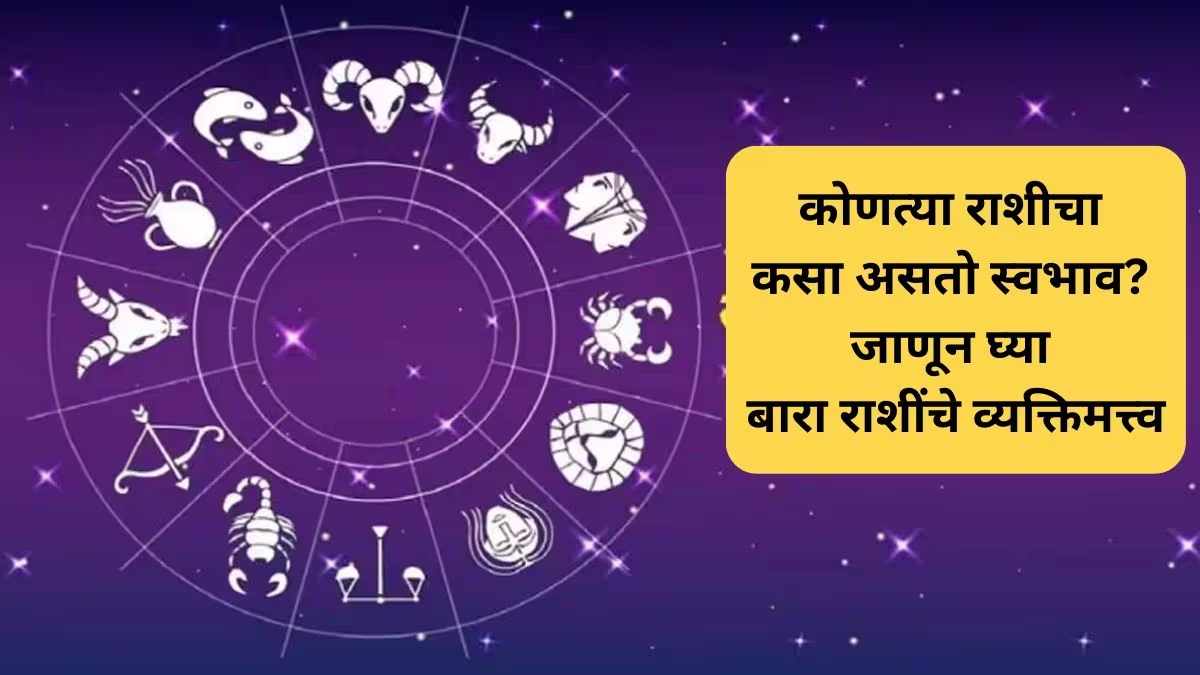
खूप वर्षांपूर्वी शरद उपाध्ये यांचे ‘भविष्यावर बोलू काही’, आणि ‘राशीचक्र’, यासारखे टीव्ही शोज मराठी टीव्ही चॅनेल्स वर खूप लोकप्रिय झाले होते. राशीभविष्य या विषयावर हलक्या फुलक्या भाषेत दिलेली माहिती श्रोत्यांना खूप आवडत असे. त्यामुळे राशीभविष्य या विषयाविषयी लोकांना वाटणारी एक प्रकारची भीती असायची ती कमी होण्यास मदत झाली.
माणसाचे भविष्य घडविणे हे त्याच्या हातात असते, असे कर्तृत्ववान लोकांचे मानणे असते, आणि ते अगदी खरे आहे. पण ज्योतिषशास्त्राचा अभ्यास करणार्यांचे म्हणणे असे असते, की या शास्त्राचा उपयोग माणसाला सतर्क करण्यासाठी होऊ शकतो.
अर्थात, या विषयावरील विविध मतांमध्ये आपल्याला जायचे नाही.
पण ढोबळ मानाने पहायचे झाल्यास ज्या काही विषयांवर जवळ जवळ सर्व ज्योतिषकारांचे एकमत आढळते, ते म्हणजे विशिष्ट राशींचे विशिष्ट स्वभाव. आपल्यासारख्या सर्वसाधारण माणसानेही आपल्या आजूबाजूस पाहिल्यास यातील काही गोष्टी खूप प्रमाणात लागू पडतात असे दिसते. सगळ्याच गोष्टी लागू पडत नाहीत. पण काही राशींचे स्वभाव अगदी ठळकपणे दिसून येतात उदा. कन्या राशीचा चिकित्सक आणि शंकेखोर स्वभाव- घराला लावलेले कुलूप तीन तीनदा ओढून बरोबर लागले आहे की नाही ते पाहणारी माणसे आपल्या आजूबाजूला दिसतात. वृषभ राशीच्या व्यक्ति देखण्या, रसिक आणि चैनी असलेल्या बर्याच प्रमाणात दिसतात.नेतृत्व गुण आणि अहंकार असलेल्या सिंह राशीच्या व्यक्तीही आपल्या आजूबाजूला दिसतात. अजून एक गोष्ट म्हणजे, कोणत्या राशीचा शरीराच्या कुठल्या भागावर अंमल जास्त असतो, आणि त्या त्या राशीच्या लोकांना जास्त करून त्याच अवयवांचे त्रास हे प्रामुख्याने होतात, हे नमूद केलेल्यानुसार खूप प्रमाणात जुळते. त्यामुळे त्या त्या राशीच्या लोकांनी त्या त्या अवयवांची जास्त काळजी घेतल्यास पुढे होणारा त्रास ते टाळू शकतील.
बर्याच वेळा आपल्या आजूबाजूची माणसे आपल्या अपेक्षेपेक्षा खूप वेगळी वागतात. काही वेळा आपण केलेल्या उपकाराची फेड अपकाराने करतात, कारण नसतांना आपल्याशी डूख धरतात, तेंव्हा असे का होते, ते असे का वागतात, हे जेंव्हा समजत नाही.
अशा वेळी , हा राशींच्या स्वभावाचा चार्ट पाहिल्यास एखाद्या व्यक्तीच्या वागण्याची संगती काही प्रमाणात लागू शकते- जन्मतःच जो स्वभाव व्यक्ति घेऊन आलेली असते, त्याप्रमाणे ती वागते.
सर्वसाधारणपणे बारा राशींची स्वभाव वैशिष्ट्यें खाली दिली आहेत. आपल्या आजूबाजूला पाहिले तर या पैकी बहुतेक स्वभाव वैशिष्ट्यें त्या त्या राशींच्या लोकांसोबत खूप प्रमाणात जुळतांना आढळतात.
एकेका राशीत पुन्हा कोणत्या नक्षत्रावर जन्म झाला आहे,त्यानुसार स्वभावात फरक दिसू शकतो. पण एक सहज छंद म्हणून जर आपण हे गुणधर्म ताडून पाहिले तर बऱ्याच प्रमाणात आपल्याला एखाद्या व्यक्तीच्या स्वभावाचा अंदाज येऊ शकतो.
रास
स्वभाव वैशिष्ठ्ये
मेष
धाडसी, धडपडे, रागीट, अविचारी, उतावळे, धैर्यवान, पराक्रमी, पुरुषी अहंभाव बाळगणारे, बेभान, लढाऊ, दिलदार, अतिरेकी वृत्तीचे, अति प्रेम करणारे..
उत्तम सल्लागार, धनवान, जुगारी प्रवृत्तीचे, व्यवहार चतुर, संधीचा फायदा घेणारे, जगन्मित्र, व्यापारी व व्यावसायिक वृत्तीचे, शांत, कलावंत, मृदू भाषी, हिशेबी वृत्ती, जोखीम घेणारे.
आता एखादा मनुष्य त्याच राशीत का जन्म घेतो?- तर प्रत्येकजण आपले पूर्वकर्म बरोबर घेऊन येतो, आणि गेल्या जन्मीचे हिशोब या जन्मी पूर्ण करतो- आणि या जन्माच्या कर्मांनी नवीन जन्माची तयारी करतो! असो.
तसेंच प्रत्येक राशीच्या लोकांना शरीराच्या कुठल्या भागाचे रोग होण्याची शक्यता असते हे खालील चार्ट पाहिला तर समजू शकते. त्या त्या राशीच्या लोकांनी त्या दृष्टीने योग्य ती काळजी घेणे गरजेचे आहे. तसेंच त्या त्या राशीच्या व्यक्तींनी कोणत्या दैवताची उपासना करावी हेही खालील चार्ट मध्ये दिलेले आहे.
एकेका राशीचा एकेक स्वामी असतो, म्हणजे त्या राशीवर त्या त्या ग्रहाचा अंमल असतो असे मानले जाते.
सूर्य आणि चंद्र हे प्रत्येकी एका राशीचे स्वामी आहेत. सूर्य सिंह राशीचा तर चंद्र कर्क राशीचा स्वामी आहे.
मंगळ, बुध, गुरू, शुक्र आणि शनि हे प्रत्येकी 2-2 राशींचे स्वामी आहेत.
रास
राशीस्वामी
नक्षत्र
उपास्य देवता
शरीरावर अम्मल
Strong Points
आनंदमय जीवनासाठी
मेष
मंगळ
अश्विनी व भरणी नक्षत्राचे प्रत्येकी 4 चरण व कृत्तिका नक्षत्राचा 1 चरण
गणपती, कुलदेवता, मनोवांछित देवता
डोके, कवटी, केस, कपाळ
धडाडी आणि धडपडी वृत्ति
उतावीळ व अविचारी पणावर मात करावी॰
वृषभ
शुक्र
कृत्तिका नक्षत्राचे 3, रोहिणीचे 4, मृग नक्षत्राचे पहिले 2 चरण
लक्ष्मीनारायण, श्री दत्त, कुलदेवता, मनोवांछित देवता
पावले, तळवे, डावा डोळा, घामाद्वारे उत्सर्जन
अंतः स्फूर्ति आणि दूरदर्शी वृत्ती
ऐषारामी व स्वप्नाळू वृत्तीला मुरड घालावी.
मला स्वतःला ज्योतिष या विषयाची काही माहिती नाही, त्यामुळे या विषयातील विद्वान मंडळींची आधीच माफी मागतो.
सदरील माहिती ही केवळ मनोरंजन या स्वरूपात घ्यावी अशी विनंती आहे. आणि यात दिलेली माहिती, आपल्या स्वतःच्या स्वभावाला, किंवा आपल्या आजूबाजूच्या व्यक्तींच्या (ज्यांच्या राशी आपल्याला माहित आहेत) स्वभावाशी ताडून पाहून, हे कितपत लागू होते हे आपणच ठरवावे.
आपल्याला आवडल्यास इतरांनाही जरूर शेअर करावे.
या विषयी आपले अनुभव असतील ते comments मध्ये नक्की कळवा. तसेच आपले विचार ही comments मध्ये लिहून कळवा.
माधव भोपे
SILVERSPOT JEWEL 925 Sterling Silver Blue Sapphire Birth stone (Pisces, Taurus, Virgo, Libra, Sagittarius)
आपल्या goodlifehub.in या वेबसाइट वर मागील वर्षी हा लेख प्रकाशित केला होता. या लेखाची प्रासंगिकता आजही कायम आहे. त्यामुळे या लेखात काही समयोचित बदल करून तो आता goodworld.in च्या वाचकांसाठी प्रस्तुत करीत आहोत.
यावर्षी गणेश चतुर्थी बुधवार दि. 27 ऑगस्ट 2025 रोजी गणरायांचे आगमन धूम धडाक्यात झाले. यावर्षी पाऊस ही सगळीकडे छान झाला, पिकें चांगली आहेत, पिण्याच्या पाण्याची सोय झाली आहे, जनावरांना चारा आणि पाणी मुबलक झाले आहे, त्यामुळे सर्व आनंदात आहेत. 10 दिवस विविध कार्यक्रमांची रेलचेल राहणार आहे. आजकाल सर्वच सार्वजनिक कार्यक्रमांचे स्वरूप दिवसेंदिवस बदलत चालले आहे. अशा वेळी, आम्ही लहान असतांना गणेश उत्सवाचे स्वरूप कसे होते, हे जसे आठवेल तसे वर्णन करण्याचा प्रयत्न या लेखात केला आहे.
आठवणीतील गणेश उत्सव
आजपासून 50-55 वर्षांपूर्वीचा गणेशोत्सव हा खूपच साधा आणि सात्त्विक होता. महाराष्ट्रातील प्रत्येक गावाची, शहराची, आपली आपली एक वेगळी परंपरा असे. त्या त्या भागातील आजूबाजूची गावेही तीच परंपरा पाळत. गणेशोत्सव जवळ आला की हौशी गणेश मंडळे कामाला लागत. काही नवीन गणेश मंडळेही स्थापन होत. पण या सगळ्यात हौशी मंडळीच असत. गणेशोत्सवाला व्यावसायिक स्वरूप प्राप्त झाले नव्हते. वर्गणीची, counterfoil असलेली पावती पुस्तके छापून घेतली जात. मोठाली मंडळे अशी अनेक पावती बुकें छापीत, आणि कार्यकर्त्यांचे वेगवेगळे गट वेगवेगळ्या पावती पुस्तकांसह वर्गणी गोळा करण्याच्या कामाला लागत. वर्गणीच्या आकड्याबद्दल प्रेमळ आग्रह असे, पण कुठेही धाक दपटशा किंवा जबरदस्ती नसे. दुकानदार लोकांकडूनही वर्गणी गोळा केली जाई. छोटी छोटी बाल गणेश मंडळेही असत. त्यांच्या छोट्या कार्यकर्त्यांनाही कौतुकाने अल्पशी वर्गणी दिली जात असे. ते त्यातच खूष असत.
गणपती बसवण्यासाठी कोणाची तरी बैठक, किंवा ओसरी ही बऱ्याच वेळा पुरे होई. मोठाली मंडळे स्टेज उभारीत. पण ते स्टेज कधीच रहदारीला अडथळा करणारे नसे. शक्यतो एका बाजूला लावले जाई.
मला हिंगोलीचा गणेशउत्सव आठवतो. तेंव्हा मी सहावी सातवी इयत्तेत होतो. गल्लीतील गणेश मंडळा तर्फे कार्यकर्ता म्हणून इतरांबरोबर मीही वर्गणी गोळा करायला जायचो. लोकांकडून नगदी पैसे वर्गणी म्हणून घेतांना खूप थ्रिल वाटायचे.
हिंगोली बऱ्यापैकी मोठे शहर होते. तिथे बरीच गणेश मंडळे असत. गणेश उत्सवामधील मुख्य कार्यक्रम दोन प्रकारचे असत. एक म्हणजे निरनिराळी गणेश मंडळे गाण्यांच्या स्पर्धा आयोजित करत. त्यात सिने गीत, भावगीत, भक्तीगीत, सर्व प्रकारची गीते चालत असत. संध्याकाळी 8 च्या नंतर या स्पर्धा सुरू होत, त्या रात्री 11 किंवा 12 वाजेपर्यंत चालत.
या स्पर्धामध्ये मुख्य करून शिशु किंवा तरुण वर्गाचाच सहभाग असे. त्यातील काही काही गाणारे छान गात आणि मग ते खूप प्रसिद्ध होत. ते रोज किंवा दिवसा आड वेगवेगळ्या गणेश उत्सवां च्या स्पर्धांमध्ये भाग घेत आणि हमखास पाहिले किंवा दुसरे बक्षिस मिळवत. ही बक्षिसे शेवटच्या दिवशी जाहीर केली जात. तसेच रसिक प्रेक्षक त्यांना त्यांच्या गाण्यावर खूष होऊन 1 रुपया पासून 10 किंवा वीस रुपयांपर्यंत बक्षिसे ही देत. ही बक्षिसे लगेच स्टेजवर अँकर द्वारे जाहीर केली जात. काही काही मुले अशी प्रोत्साहनपर खूप रक्कम मिळवीत.
हिंगोली येथील स्टेशन मास्टर चा मुलगा, “ऐ माँ तेरी सूरत से अलग भगवान की सूरत क्या होगी” हे गाणे खूप छान म्हणायचा. एक अकबर नावाचा मुसलमानाचा साधारण 18-20 वर्षांचा मुलगा होता.(त्या काळी असे स्पष्टपणे म्हणण्यात काही वावगे वाटत नसे. सर्व जण अत्यंत मिळून मिसळून राहत). तो पांढरी शुभ्र पॅन्ट आणि तसाच पांढरा शर्ट घालून येई. तो जास्त करून देशभक्तिपर गीते म्हणायचा. त्यातील एक गीत, ‘नौ जवानों भारत की तकदीर बना दो- फूलों के इस गुलशन से काँटों को हटा दो” हे गाणे, अॅक्शन सहित म्हणायचा. त्याला ही खूप बक्षिसें मिळत. .
ते गाणे साधारण मला आठवते तसे इथे देत आहे
नौजवानों भारत की तकदीर बना दो
नौजवानों भारत की तकदीर बना दो
फूलों के इस गुलशन से काँटों को हटा दो
फूलों के इस गुलशन से काँटों को हटा दो
छोड़के सारे भेदभावको समझो देश को अपना
समझो देश को अपना,
रह ना जाए देख अधूरा कोई सुंदर सपना
कोई सुंदर सपना
हम भारत के वासी क्यों हों दुनिया में शर्मिन्दा
देश के कारण मौत भी आए फिर भी रहेंगे ज़िन्दा
जय-जय हिन्द के नारों से धरती को हिला दो
फूलों के इस …
अपने साथ है कैसे-कैसे बलवानों की शक्ति
श्री जवाहर लाल की हिम्मत बापू जी की भक्ति
देश का झण्डा जग में ऊँचा करके दिखा दो
फूलों के इस ..
मला आत्ता गूगल करता करता कळाले की वरील गीत हे १९५५ साली रिलीज झालेल्या कुंदन नांवाच्या देशभक्तिपर चित्रपटातील आहे.
ते असे आदर्शवादाचे आणि स्वप्नाळू पणाचे दिवस होते. आजकालच्या भयानक वास्तवतेत तो आदर्शवाद पाल्या पाचोळया सारखा उडून गेला आहे, हे दारुण सत्य आहे.
असो. तर त्यांचे पाहून माझ्यासारख्यालाही कधी कधी स्पर्धेत भाग घ्यावासा वाटे. मग स्पर्धेत नाव नोंदवून आल्यावर, आपण ही तसेच गात आहोत, सगळे जण टाळ्या वाजवीत आहेत. आपला पाहिला नंबर आला आहे, इत्यादि स्वप्न रंगविण्यात 2-3 दिवस बरे जात. त्याकाळी लोकप्रिय सिनेमांच्या गाण्याची, घडी घातलेली छोटी छोटी 3-4 पानांची पुस्तके, 20-25 पैशांना मिळत. मग ती आणून त्यातून गाणे पाठ केले जाई. ते गाणे, अर्थातच, फ्लॉप होई, हे काही वेगळे सांगावयास नको.
देखावे
असो. तर अशा या गाण्याच्या स्पर्धा होत. दुसरा एक महत्त्वाचा कार्यक्रम म्हणजे निरनिराळे देखावे, ज्यांना ‘झाकी’ म्हणत. निरनिराळी मंडळे वेगवेगळ्या झाक्या (देखावे) बनवीत. हे देखावे बनवायला कोणीही व्यावसायिक मंडळी नसत, तर मंडळाचेच उत्साही कार्यकर्ते असत. कधी भारत पाक युद्धाचा देखावा केला जाई, तर कुठे पुराणातील एखाद्या कथेचा देखावा केला जाई.
काही सामाजिक उद्बोधनपर देखावे केले जात. यातील बहुतांश देखावे ‘स्थिर’ असत. पण काही काही मंडळे ‘हालते’ देखावे करत. असे देखावे बघायला तूफान गर्दी उसळे. काही काही देखाव्यात, कोणी तरी, गणपतीच्या पाया पडतो आहे आणि गणपती त्याला आशीर्वाद देतो आहे, असा देखावा- आणि त्यात गणपतीचा मेकअप करून एखादा मुलगा उभा असे. तो सारखा सारखा आशीर्वाद देण्यासाठी हात वर करी. मग मधून मधून त्याला विश्रांती देण्यासाठी पडदा पाडीत. तो थोडा वेळ आराम करे, आणि पुन्हा गणपतीच्या भूमिकेत जाई. रात्रीच्या वेळी, आपल्या मंडळातली गणपतीची आरती उरकली, की लोक झुंडी झुंडीने देखावे पाहायला बाहेर पडत. पूर्ण शहरभर अनेक देखावे असत. प्रत्येक ठिकाणी लाइट्स चा झगमगाट असे. पण तो खूप जास्त नसे. सगळे देखावे पाहता पाहता रात्रीचे बारा केंव्हा वाजून जात काही कळात नसे. या देखाव्यांची ही स्पर्धा असे आणि परीक्षक मंडळ शहरातील सर्व देखाव्यांची पाहणी करून त्यातून नंबर काढत. ही बक्षिसे ही शेवटच्या दिवशी दिली जात. एके वर्षी आमच्या गल्लीच्या ‘बाल गणेश मंडळाने’ कुठला तरी युद्धाचा देखावा केला होता, ते आठवते. त्यात गल्लीतीलच एक धष्टपुष्ट मुलगा सैनिकाचा वेष घालून, सैनिक झाला होता, आणि हातात बंदूक घेऊन शत्रूला मारीत होता, असा काहीसा देखावा होता. काही काही मोठी गणेश मंडळे खूप भव्य दिव्य असे देखावे करीत.
असो. रोज सकाळ संध्याकाळ आरती होई. गणपतीच्या मंडपात सिनेमाची अचकट विचकट गाणे लावण्याची प्रथा सुरू झालेली नव्हती. खरे तर साऊंड सिस्टम तेंव्हा कोणाकडे नसायची.
काही काही मातब्बर गणेश मंडळे मोठ्या शहरातील ऑर्केस्ट्रा बोलावीत. त्याच्या कार्यक्रमाला तुफान गर्दी उसळे. भरपूर वाद्य वृंदासहित आलेले ते कलाकार, सिनेमाची लोकप्रिय गाणी अगदी हुबेहूब वाजवत.
अशा प्रकारे पाहता पाहता दहा दिवस कसे निघून जात कळत नसे. आणि मग गणेश विसर्जनाचा दिवस येई-
गणेश विसर्जन
गणेश विसर्जन गावाबाहेरील एका मोठ्या तलावात करीत. गावातील मानाचा गणपती ठरलेला असे. संध्याकाळी लवकरच, म्हणजे 8-9 च्या सुमारास विसर्जनाची मिरवणूक निघे. शहरभरातील गणपती आपापल्या ठिकाणाहून निघून, त्या मिरवणुकीत रांगेने सामील होत. बहुसंख्य गणपती हे हातगाडी किंवा सजवलेली बैलगाडी यावर असत. या गाड्यांमध्ये गल्लीतील सगळ्या घरांतील छोटे छोटे गणपतीही दिलेले असत. बहुतेक मिरवणूकींच्या समोर भजनी मंडळे टाळ आणि मृदुंग घेऊन, भजने गात चाललेली असायची. कुठेही गणपतीच्या समोर अचकट विचकट नाच गाणे नसायचे. खूप सात्त्विक वातावरण असायचे. उजेडासाठी पेट्रोमॅक्स च्या ‘बत्त्या’ असायच्या. गर्दी भरपूर असायची, पण अत्यंत शिस्तीत आणि शांततेत मिरवणूक चालायची. रात्री बाराच्या आसपास पहिला गणपती तलावावर पोंचायचा. त्याची रीतसर पूजा वगैरे होऊन विसर्जन व्हायचे. मग एकेक करीत सगळ्या गणपतींचे विसर्जन होत, शेवटच्या गणपतीचे विसर्जन व्हायला सकाळचे 3 ते 4 वाजायचे.
मेळे आणि सांस्कृतिक कार्यक्रम, व्याखानमाला
हिंगोलीनंतर आमची बदली सिल्लोड येथे झाली होती. सिल्लोड हे हिंगोली पेक्षा छोटे गाव होते. मी तोपर्यन्त थोडा मोठा झालो होतो, आणि आठव्या वर्गात गेलो होतो. मला हिंगोलीच्या गणेश उत्सवाचा अनुभव होता. गल्लीतल्या मुलांपुढे त्यामुळे माझी थोडी ‘वट’ होती. मग मी पुढाकार घेऊन आमच्या गल्लीत एक ‘बाल गणेश मंडळ’ सुरू केले. आम्ही राहत असलेल्या वाड्याच्या शेजारी नीलकंठ नावाच्या वकिलांचा मोठा वाडा होता. त्यावरील ओसरी त्यांनी आम्हाला मंडळाचा गणपती बसवायला दिली. आम्ही तिथे छोटेखानी गणपती बसवला.
सिल्लोड हे औरंगाबाद तालुक्यातील गाव, संगीत मेळयांसाठी खूप प्रसिद्ध होते. सिल्लोडला देखावे वगैरे करायची प्रथा नव्हती. पण मेळे मात्र खूप व्हायचे. कोणी तरी हौशी, संगीताचा जाणकार असलेला माणूस पुढाकार घेऊन मेळा सुरू करी. मग आजूबाजूच्या बऱ्यापैकी आवाज असणाऱ्या आणि बऱ्यापैकी दिसणाऱ्या मुलांना आणि काही प्रमाणात मुलींनासुद्धा, तो आपल्या मेळयात, त्यांच्या आईवडिलांच्या संमतीने सामील करून घेई. मेळयाला छानदार नांव दिले जाई. तबला पेटी वगैरेची जुळवाजुळव केली जाई. आणि महिना महिना आधी त्या मुलांची गाण्याची प्रॅक्टिस सुरू केली जाई. काही काही मेळे अनेक वर्षांपासून सुरू होते आणि खूप प्रसिद्ध होते. बहुतेक मेळयांना आपला ड्रेस कोड असे. पण सिल्लोड येथील ‘बापू टेलर’ चा मेळा मात्र खूप प्रसिद्ध होता. त्यांनी युनिफॉर्म ठेवला नव्हता, तर ते त्यांच्या कलाकारांना त्या त्या गाण्याला अनुरूप असा वेष करवीत. जसे की भाजीवाली म्हटले तर नऊवारी साडी, डोक्यावर टोपले, इत्यादि. त्यांच्या या वेगळेपणामुळे तो मेळा खूप तूफान चाले. लांबून लांबून त्यांना बोलावणी येत. औरंगाबादला सुद्धा ते जात. तो आमच्या गावचा मेळा म्हणून आम्हाला खूप अभिमान वाटे. सिल्लोड येथील एस टी महामंडळाचा गणपती पण खूप मोठा आणि प्रसिद्ध होता. त्यांची वर्गणीही खूप जमायची. त्यामुळे ते पण मोठे मोठे कार्यक्रम ठेवायचे.
आणखी एक आठवणारी अत्यंत चांगली गोष्ट म्हणजे गणपतीच्या काळात बरीच गणपती मंडळे, चांगल्या चांगल्या वक्त्यांची, विद्वानांची अभ्यासपूर्ण व्याख्याने असलेल्या व्याख्यान मालिका ठेवत. त्याला खूप गर्दी होत असे. मला आठवते मी प्रसिद्ध वक्ते प्रा. वसंत कुंभोजकर यांचे शिवरायांवरील व्याख्यान सिल्लोड येथेच ऐकले होते. त्याकाळी गणपती उत्सवाला दिलेली वर्गणी सार्थकी लागल्यासारखी वाटायची.
एखादे वर्षी औरंगाबादला जाण्याचा योग येई. औरंगाबादला मेळे आणि देखावे दोन्ही असत. आणि प्रचंड गर्दी असे. पण त्याकाळी खूप मोठ्या मोठ्या एकापेक्षा एक प्रचंड गणपतींची फॅशन निघाली नव्हती. आणि सगळे काही मर्यादा सांभाळून होत असल्याने त्या काळचे गणपती उत्सव म्हणजे एक आनंद पर्वणी होती हे निःसंशय.
नंतर हळू हळू व्हीडीओ कॅसेटचा जमाना सुरू झाला, आणि गणेश मंडळें 16 एमएम चा पडदा आणून त्यावर पिक्चर ची कॅसेट लावण्यात धन्यता मानू लागली.
आजची परिस्थिती-गेले ते दिवस!
आणखी काही वर्षांनी गणेश उत्सवाचा ताबा ‘समाजसेवक’ मंडळींनी घेतला. हळू हळू त्यात राजकारणी लोकांचा शिरकाव झाला, हे आपण डोळ्यासमोर पाहतोच आहोत. आजकाल गणेशोत्सव जवळ आलाय हे आता रस्त्यारस्त्यावर आणि कोपऱ्या कोपऱ्यावर उभारल्या जाणारे प्रचंड स्टेजेस आणि सेट अप, तिथे व्यावसायिक कामगारांकडून चालू असणारी ठोकाठोकी, काही ठिकाणी मंडप उभारण्यासाठी चांगल्या डांबरी रस्त्यांवर केलेले मोठे मोठे खड्डे, डीजे चे प्रचंड मोठे बॉक्स इत्यादि गोष्टी दिसायला लागल्यावर समजते. आजकाल लोकांचा देवावरचा भक्तिभाव खूप वाढला आहे हे पाहून भरून येते!!
असो. यावर्षी श्री गजाननाच्या कृपेने पाऊस खूप छान झाला आहे. धरणेंही सगळी भरली आहेत, आणि आनंदी आनंद आहे. त्यामुळे यावर्षीचा गणेश उत्सव खूप आनंदाने आणि उत्साहाने साजरा करूयात. या वर्षीच्या गणेश उत्सवानिमित्त सर्व गणेश भक्तांना खूप खूप शुभेच्छा!




 काही सामाजिक उद्बोधनपर देखावे केले जात. यातील बहुतांश देखावे ‘स्थिर’ असत. पण काही काही मंडळे ‘हालते’ देखावे करत. असे देखावे बघायला तूफान गर्दी उसळे. काही काही देखाव्यात, कोणी तरी, गणपतीच्या पाया पडतो आहे आणि गणपती त्याला आशीर्वाद देतो आहे, असा देखावा- आणि त्यात गणपतीचा मेकअप करून एखादा मुलगा उभा असे. तो सारखा सारखा आशीर्वाद देण्यासाठी हात वर करी. मग मधून मधून त्याला विश्रांती देण्यासाठी पडदा पाडीत. तो थोडा वेळ आराम करे, आणि पुन्हा गणपतीच्या भूमिकेत जाई. रात्रीच्या वेळी, आपल्या मंडळातली गणपतीची आरती उरकली, की लोक झुंडी झुंडीने देखावे पाहायला बाहेर पडत. पूर्ण शहरभर अनेक देखावे असत. प्रत्येक ठिकाणी लाइट्स चा झगमगाट असे. पण तो खूप जास्त नसे. सगळे देखावे पाहता पाहता रात्रीचे बारा केंव्हा वाजून जात काही कळात नसे. या देखाव्यांची ही स्पर्धा असे आणि परीक्षक मंडळ शहरातील सर्व देखाव्यांची पाहणी करून त्यातून नंबर काढत. ही बक्षिसे ही शेवटच्या दिवशी दिली जात. एके वर्षी आमच्या गल्लीच्या ‘बाल गणेश मंडळाने’ कुठला तरी युद्धाचा देखावा केला होता, ते आठवते. त्यात गल्लीतीलच एक धष्टपुष्ट मुलगा सैनिकाचा वेष घालून, सैनिक झाला होता, आणि हातात बंदूक घेऊन शत्रूला मारीत होता, असा काहीसा देखावा होता. काही काही मोठी गणेश मंडळे खूप भव्य दिव्य असे देखावे करीत.


